Helps you plan Study In Australia
The Australian Education System: A Comprehensive Overview
Australia’s education system is known for its high standards, diverse opportunities, and innovative methods. It serves a multicultural population, offering various educational paths for different learning needs and career goals. Therefore, let us explore the key parts of this system, its structure, strengths, and challenges.
Structure of the Australian Education System
The Australian education system has three main levels: primary education, secondary education, and tertiary education. Each level plays a crucial role in preparing students for future studies and careers.
Primary Education
Primary education starts at age five or six and lasts for seven or eight years. This includes a preparatory year followed by Years 1 to 6 or 7. The curriculum focuses on basic skills in reading, writing, math, and science. Additionally, students study social studies, arts, and physical education. Primary schools aim to create a supportive environment that encourages curiosity and a love for learning.
Secondary Education
Secondary education is split into lower secondary (Years 7-10) and upper secondary (Years 11-12). In lower secondary, students expand on what they learned in primary school. They study a variety of subjects, including English, math, science, social studies, languages, arts, and technology.
In upper secondary education, students can focus on their interests, preparing for higher education or vocational training. In Year 12, students take exams for the Senior Secondary Certificate of Education (SSCE). These exams are crucial for university admissions.
Tertiary Education
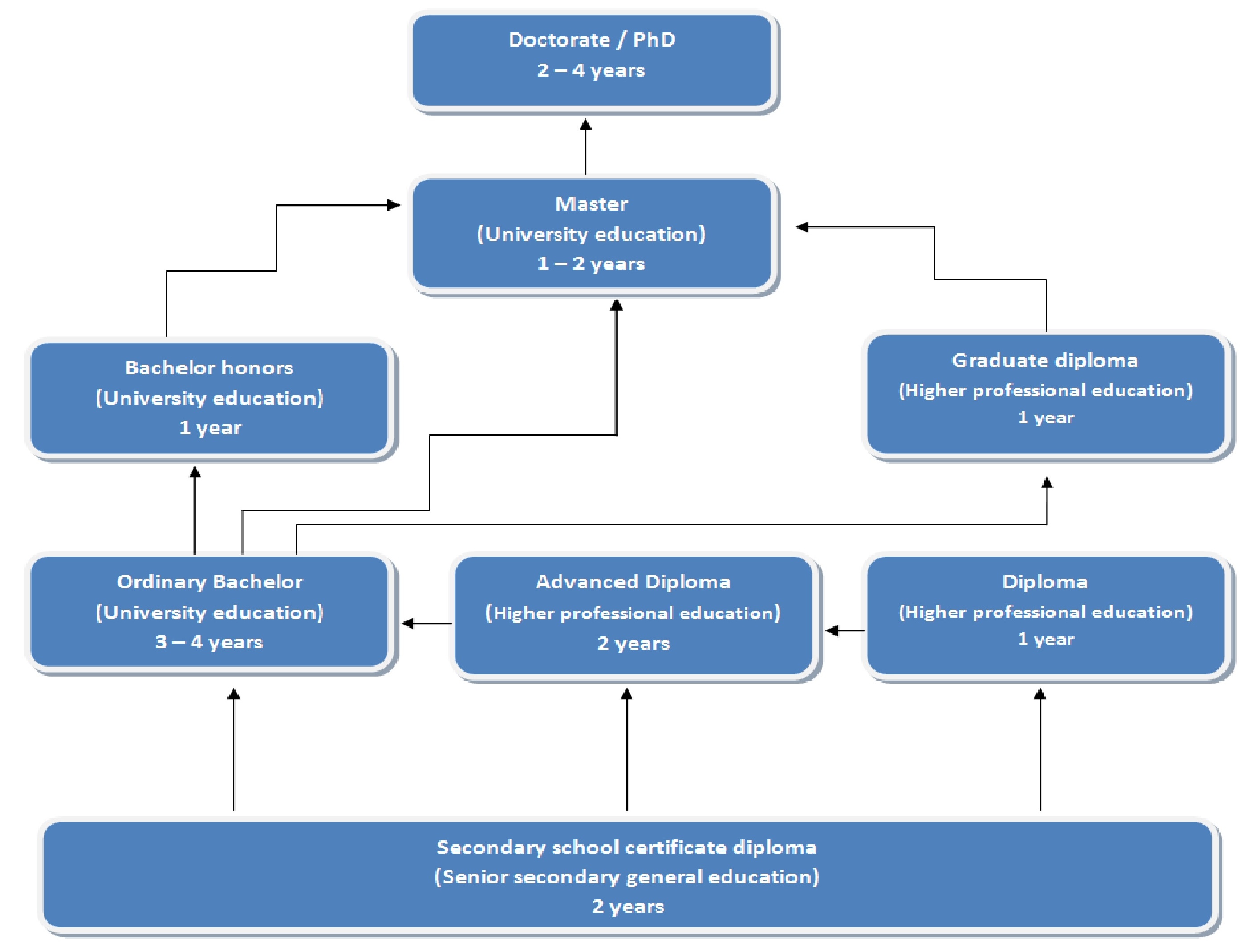
Tertiary education includes higher education and vocational education and training (VET). Higher education is provided by universities and other institutions, offering degrees at undergraduate and postgraduate levels. Australian universities are known for their high-quality research and teaching.
Meanwhile, the VET sector offers practical training and skills development. Qualifications range from certificates to advanced diplomas. This sector is important for those looking to enter the workforce directly or pursue specific trades.
Strengths of the Australian Education System
Quality and Accessibility ( Study In Australia )
Australia has high-quality educational institutions with strict standards. The government invests heavily in education, ensuring consistent quality across all levels.
Inclusivity and Multiculturalism
The system is inclusive and serves a diverse student population. Schools and universities support international students, students with disabilities, and those from various cultural backgrounds. This diversity enriches the learning environment and promotes global awareness.
Innovation and Research
Australian institutions lead in research and innovation. Universities collaborate with industries and international partners, contributing to advances in fields like medicine, technology, and environmental science. This focus on research ensures students get an education that meets current and future needs.
Challenges and Areas for Improvement
Equity and Access
There are differences in educational outcomes between socio-economic groups and regions. For example, students from rural areas, indigenous communities, and low-income families often struggle to access the same quality of education as those in urban areas.
Funding and Resources
Although the government invests in education, debates continue about funding levels and distribution. Consequently, public schools sometimes face resource limitations, affecting the quality of education they can provide.
Mental Health and Well-being
Academic pressure can affect students’ mental health. Schools and universities are recognizing the importance of mental well-being and are offering support services. However, more can be done to make these services accessible and effective.
Conclusion
The Australian education system is known for its high standards, inclusivity, and focus on innovation. While it faces challenges like ensuring equity and adequate funding, its strengths lie in its quality, diversity, and global outlook. As Australia evolves, its education system will continue to adapt and grow, maintaining its reputation as a leading provider of education.